
Fine Arts Programs
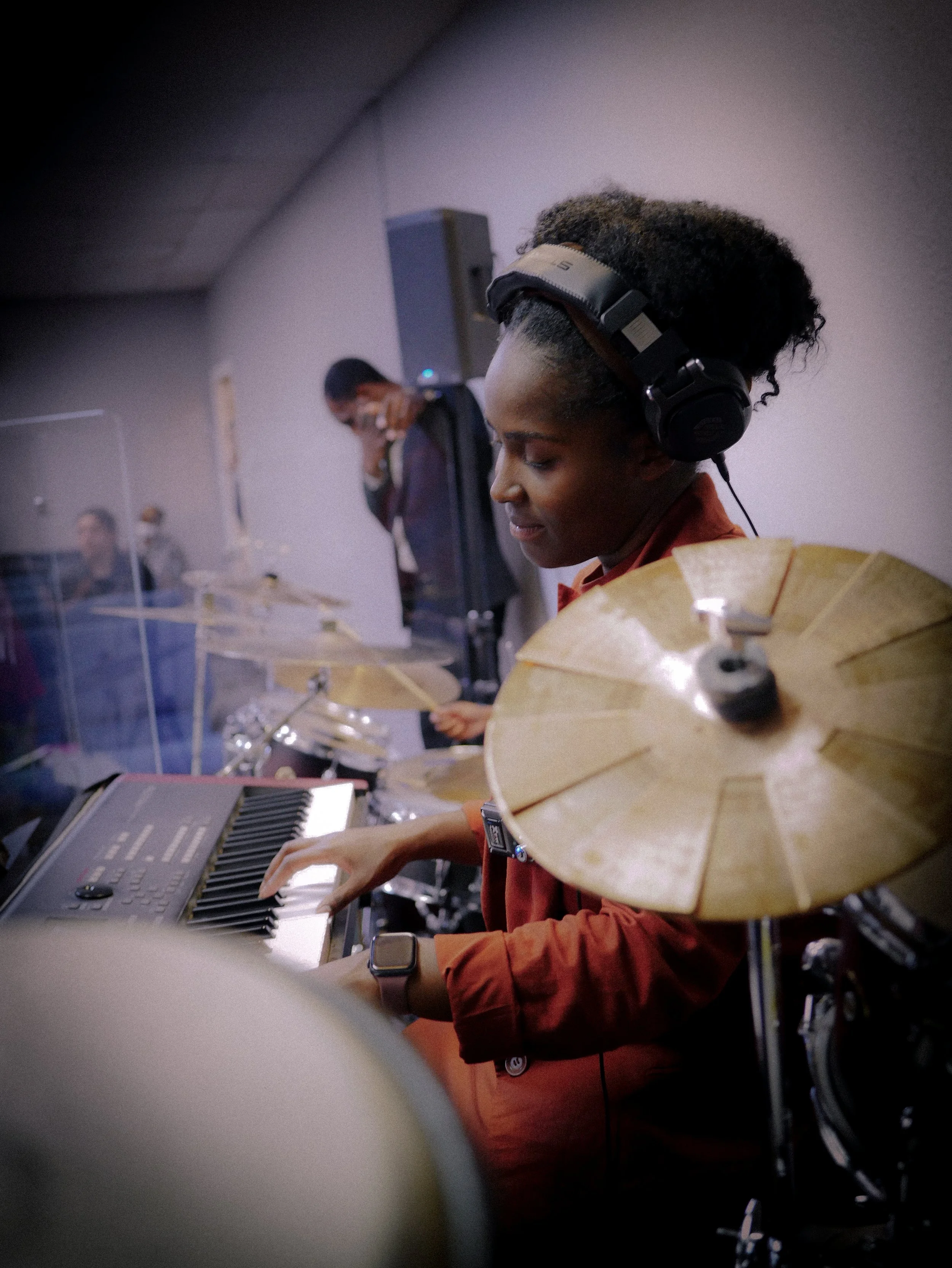
Private Piano Instruction
Private Percussion Instruction
Entrepreneurship for Creatives
Community Workshops
Group Music Lessons
Student Performances
Our Services
-
Students will develop musicianship, technique, and repertoire building. Private lessons are individualized and will allow the student to focus on tone production, dynamics, and sight-reading. Students maintain practice logs and perform short solos/pieces for formative assessment.
-
One-on-one instruction covers rudiments, sticking techniques, and independent limb coordination. Students apply rhythm theory through reading and performing from notation and will prepare for a solo performance.
-
Students will develop musicianship, technique, and repertoire building of gospel/christian music. Private lessons are individualized and will allow the student to focus on tone production, worship chord progressions, dynamics, and sight-reading. Students maintain practice logs and perform short solos/pieces for formative assessment.
-
Students will learn how to create a mock business, a business plan, budgeting, pricing, how to read contracts, and marketing specific to creative industries such as music, photography, and fashion. Instruction emphasizes career readiness and financial literacy. Email @hello@humankindart.com for a consultation
-
This workshop introduces students to the design and business process behind launching an apparel brand.
Students learn concept creation, how to submit a tech pack to manufacturers, logo design, how to vet a supplier, logistics, and heat press operation. Instruction integrates design software training and small business fundamentals. Email @hello@humankindart.com for a free consultation.
-
This program offers a rotating curriculum in film, photography, music, design, podcasting 101 and entrepreneurship. Each week builds a final showcase featuring student films, digital art, and performances. Students gain both artistic techniques and applied media production skills. Email hello@humankindartcom for a free consultation.
-
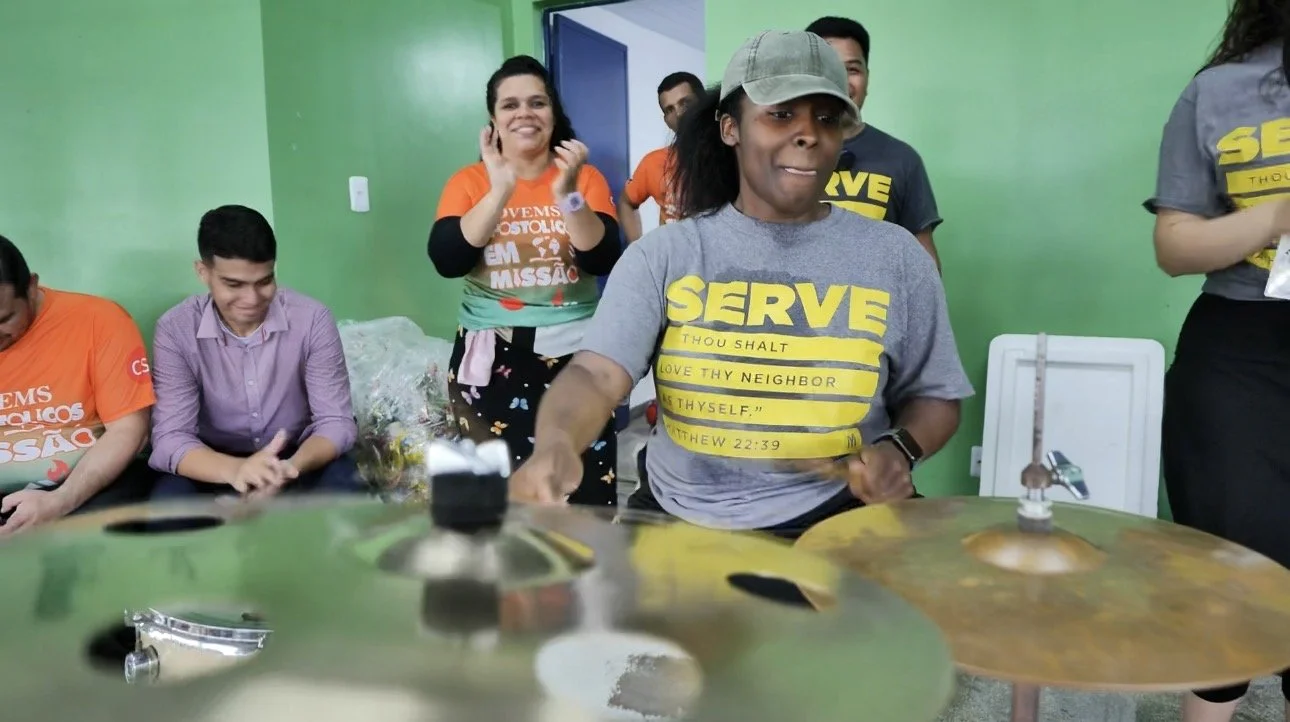
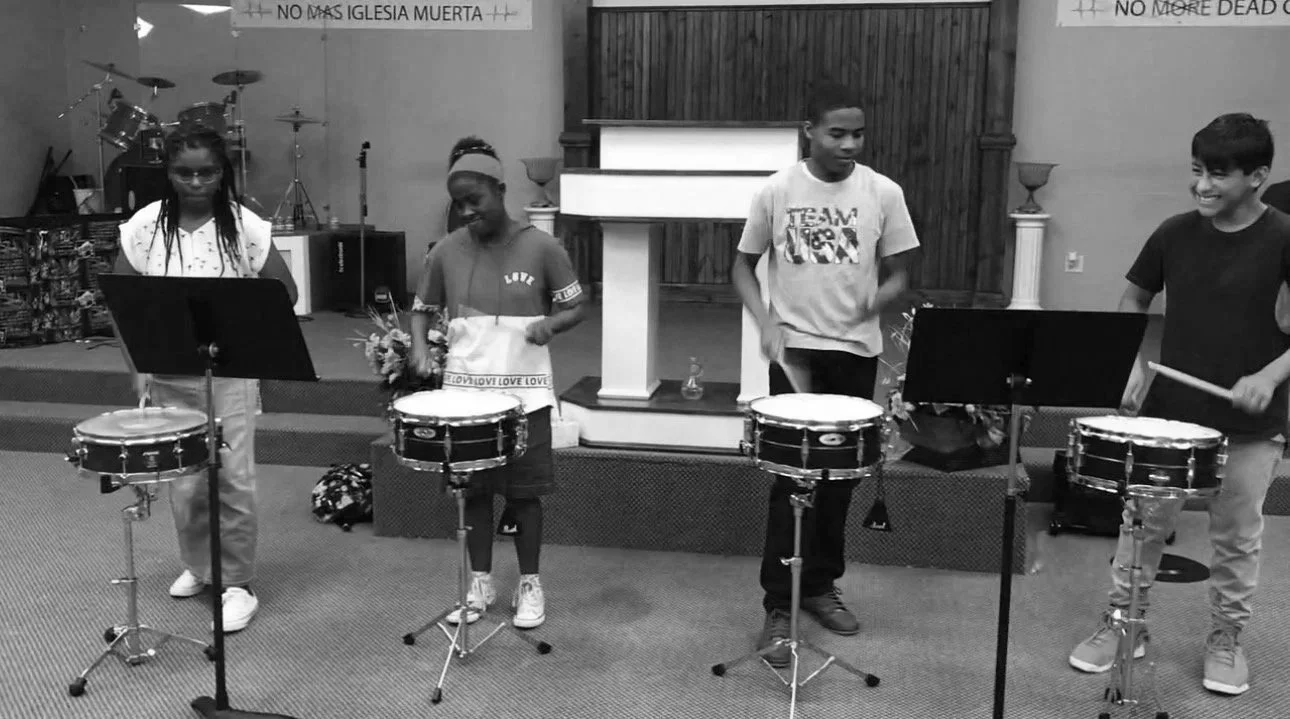
Group instruction emphasizes rhythm, tempo, and ensemble performance using snare, drum kit, and auxiliary percussion instruments. Students learn teamwork through call-and-response exercises, rhythmic dictation, and layered percussion compositions. This class is seasonal. More information coming soon regarding the new season.
EXPECTED OUTCOMES
Humankind Fine Arts & Film Studio uses a three-tiered evaluation model: diagnostic, formative, and summative, to measure program effectiveness and ensure responsiveness to students needs. Evaluation is built into each phase of instruction to promote reflection, growth, and continuous improvement. Before instruction, diagnostic evaluation establishes a baseline of student knowledge and interest through informal surveys, discussions, and observation. This helps tailor lessons and materials to student readiness levels and learning styles.
During instruction, formative evaluation monitors engagement and progress. Checkpoints, observation rubrics, student reflections, and peer feedback are used to adjust instruction in real time, ensuring every participant receives appropriate support and challenge.
At the end of each program, summative evaluation measures student growth and overall program impact. Pre- and post-surveys, final projects, and student showcases/exhibits provide authentic assessments of creativity, collaboration, and applied learning.
Humankind also tracks community and impact metrics such as showcase attendance, family feedback, and the number of student works exhibited or published. These data points help determine how effectively programs build confidence, cultural awareness, and creative literacy.
Goals & Objectives for Students
-
Result #1
Students will produce a short film, podcast, or original song.
-
Result #2
Design & print branded apparel.
-
Result #4
Learn Business Fundamentals for creative entrepreneurship.
-
Result #5
Develop and perform their musical repertoire.
WHAT SETS US APART
PEDAGOGICAL APPROACH
The instruction at Humankind Fine Arts & Film Studio is rooted in project-based learning and differentiated teaching strategies that meet diverse student needs. Lessons integrate visual, auditory, and kinesthetic methods to ensure accessibility and comprehension across grade levels. Assessments are formative and performance-based, emphasizing skill mastery, collaboration, and creativity rather than rote memorization.
After the completion of each class, students will have either performed for the community/peers or completed a project to exhibit to the community